Predictable anchors
Repeating cues can make rest, meals, and focus blocks easier to remember.
Lifestyle rhythm · United States
Explore how steady timing for rest, meals, and breaks can support how you feel day to day. Not medical advice; individual experiences vary.
Your day is a sequence of transitions. Small shifts in timing and attention can change how steady you feel from morning to night.
Repeating cues can make rest, meals, and focus blocks easier to remember.
Noticing when energy dips lets you plan lighter tasks instead of pushing through every slump.
Rhythm work is about consistency you can keep, not sudden overhauls.
Evening wind-down and morning light exposure influence how alert you feel hours later. A stable wake time often supports a smoother afternoon.
Dimming screens earlier and keeping the bedroom cooler can make rest feel more inviting without rigid rules.
See habit ideasA short, repeatable sequence signals closure for the day.
Brief outdoor time can help your internal clock align with daylight.
Short movement breaks spaced through the day can feel easier to sustain than one long block. Pair them with meals you can repeat without stress.
Sipping water regularly and spacing meals in a way that fits your appetite may help you avoid sharp hunger spikes that pull attention away from tasks.
Open practical guidesAttention is finite. Rhythm-based planning protects deep work while leaving room for recovery.
Set a timer, remove distractions, then step away on purpose.
Micro-breaks with breathing or a quiet moment can prevent overload.
Write down tomorrow’s first task so your mind can release the loop.
Patterns are personal. Tracking simple markers helps you notice what changed before you adjust.
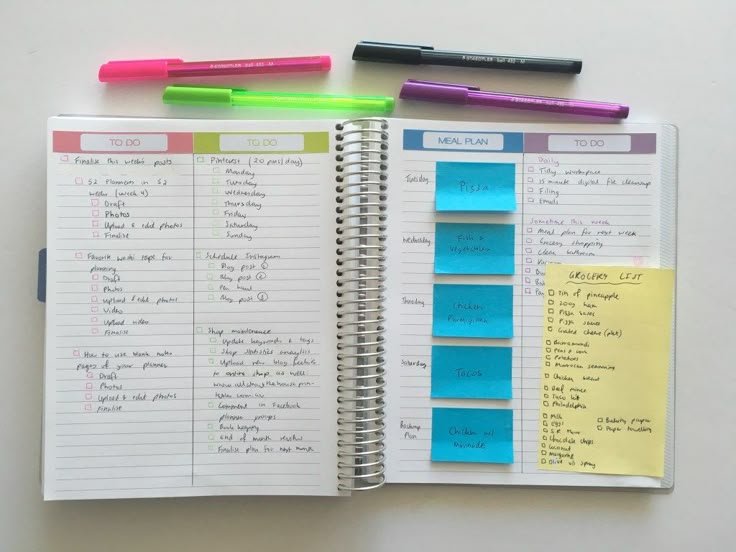
Note the time of day when focus fades. Shift demanding work earlier or add a movement snack.

If nights feel fragmented, simplify evening inputs before changing everything at once.
Commutes, shift schedules, and household demands all touch your timeline. Start with one anchor you can repeat weekly.
Batch errands, prep meals ahead, and protect a non-negotiable bedtime window when possible.
Keep wake time within an hour of weekday rhythm to reduce Monday drag.
Use short prompts to review your rhythm without turning the week into a spreadsheet.
Ask what felt on time, what felt rushed, and what you would shift by fifteen minutes next week.
Mark blocks as green, yellow, or red to see where rhythm support is missing.
Tell someone in your home about a single anchor you want to protect this month.
The information provided on this website is intended for general informational and educational purposes only. It does not constitute professional medical advice and should not be considered a substitute for consultation with qualified professionals.
All content reflects general topics related to lifestyle, personal well-being, and everyday habits. Individual experiences may vary.
Before making any changes to your daily routine or lifestyle, it is recommended to consider your personal circumstances and, if necessary, seek assistance from a qualified specialist.
This website does not provide diagnosis, treatment, or personalized recommendations.
Dhorxellnysholox does not sell dietary supplements, vitamins, or medications. Food and routine ideas are general; they are not individualized nutrition or supplement guidance.